.avif)
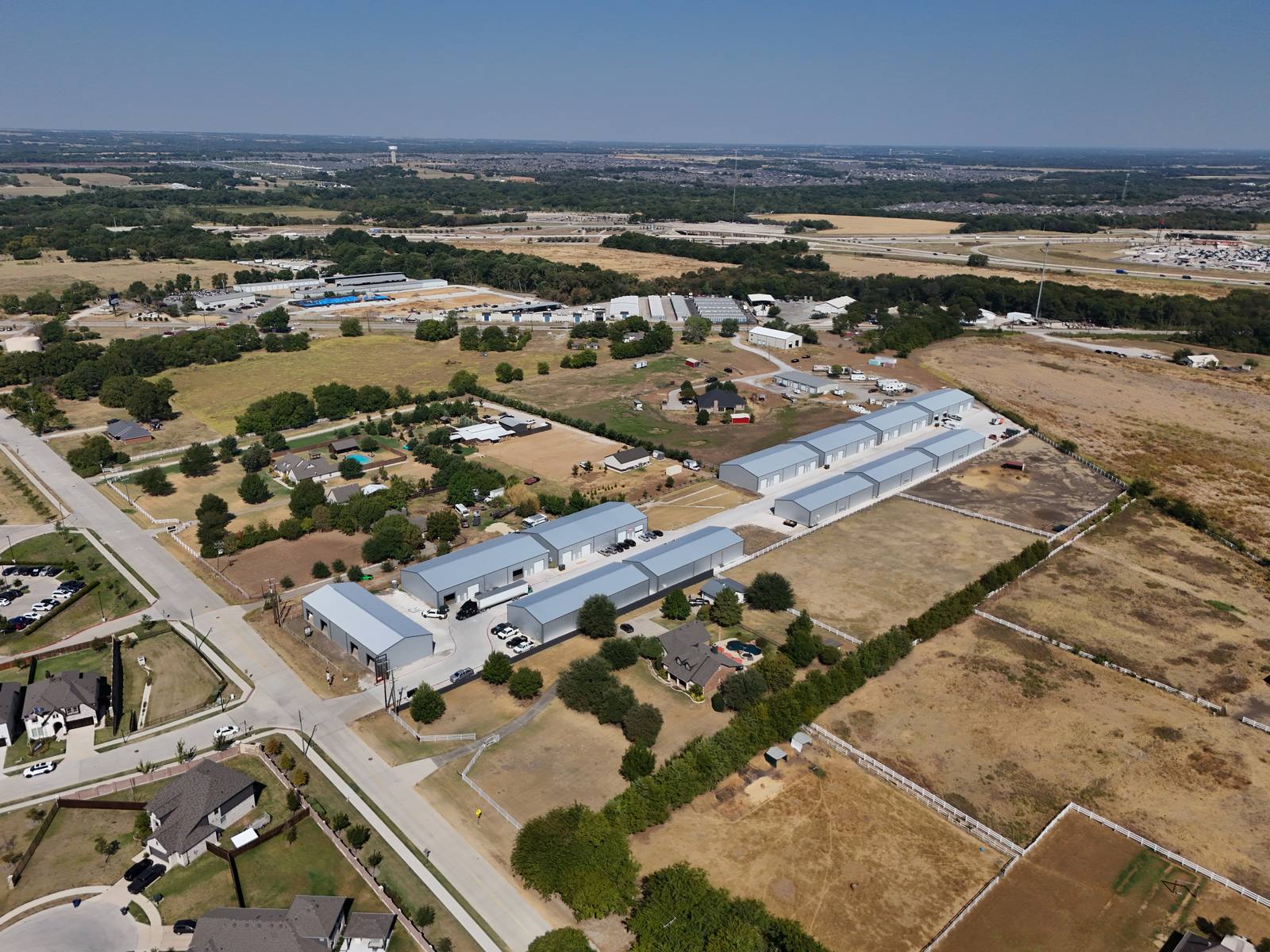
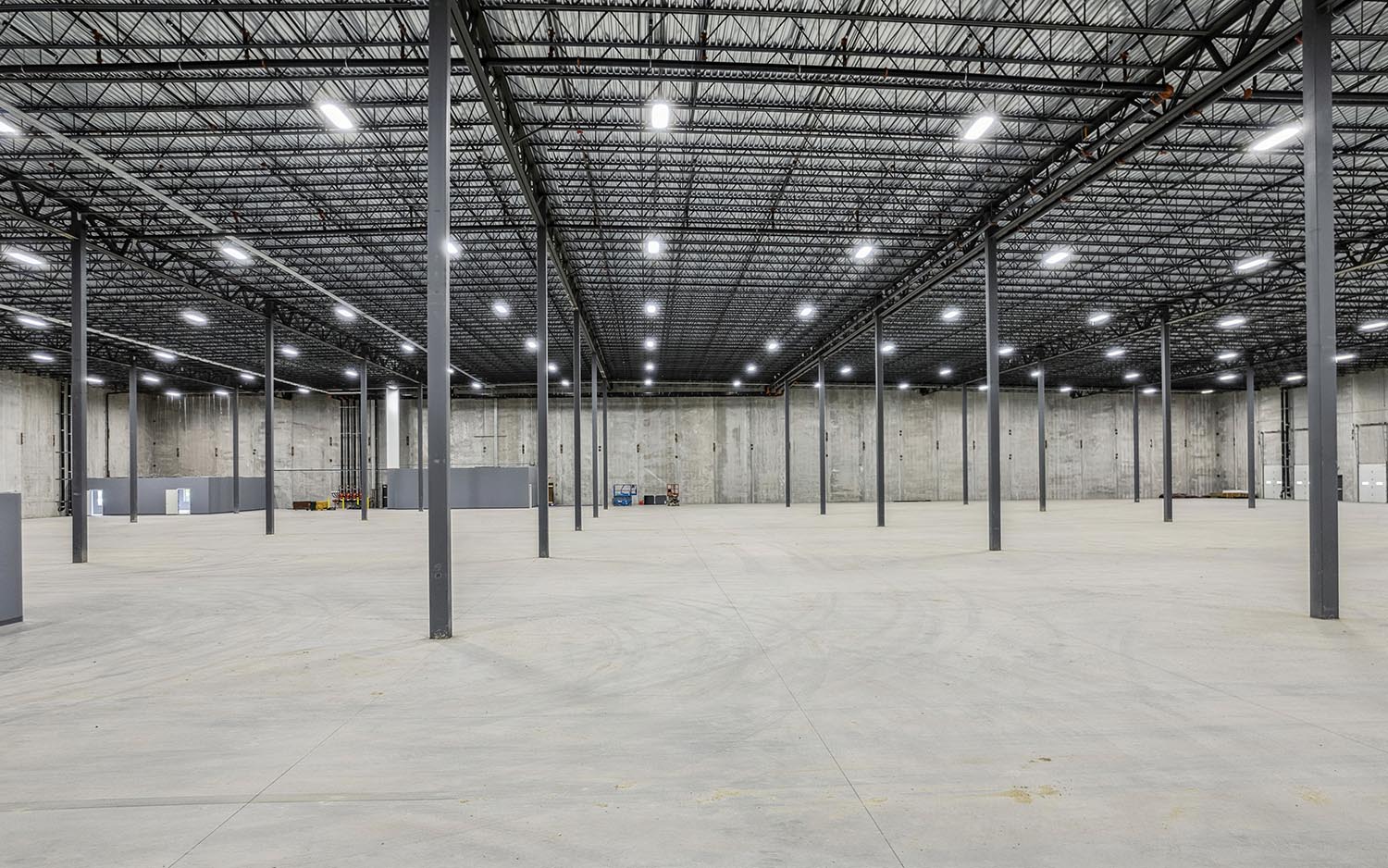
Own the Bays That Run America's Small Businesses
Small-bay flex industrial — the shops where half of America goes to work — bought at or below replacement cost in the fastest-growing corridors in the country, and run on the platform that built a Top-40 national storage operator.
*Targeted, not guaranteed. 506(c) offering — verified accredited investors only. See disclosures below; offers made only via the PPM.
For Forty Years, Institutional Money
Went to the Big Boxes
One tenant, one lease, one credit rating. But that's not how business gets done on the ground. The plumber with six vans. The HVAC crew. The CrossFit gym. The flooring fleet. They need a shop — and almost nobody was building it for them, or running it well. That gap is where Fund VI invests.
The Result: Vacancy at Roughly Half of Big-Box
Shallow-bay vacancy has run ~250 bps inside the overall industrial market since 2017 — straight through the largest supply wave in industrial history.
Sources: CoStar / Newmark Research via BKM Capital Partners, Q1–Q2 2026; CBRE, Mar 2026; U.S. Census Bureau; CompStak; NAHB.
Self-storage went from ~17% institutional ownership in 2000 to ~45% today — and shallow-bay institutional ownership sits at just 3.3%, with 97% still in private hands. We got in early on storage. We're getting in early here — on purpose. The window where the boring asset is cheap begins to close the day meaningful institutional capital rushes in.
North Texas Growth Corridors
Two of America's five fastest-growing cities sit in the Anna–Celina corridor north of McKinney. Collin County added 43,000 people last year — the second-largest gain of any county in America. Every new rooftop is a customer for somebody in these bays, and almost everything getting built is for the 20,000-foot user, while the 3,000-foot user goes underserved. Fund VI invests in the buildings that serve the 1,000–10,000 SF user — predominantly sub-4,000 SF bays, where demand is most durable and rent per square foot runs highest.
Supply-Constrained New England
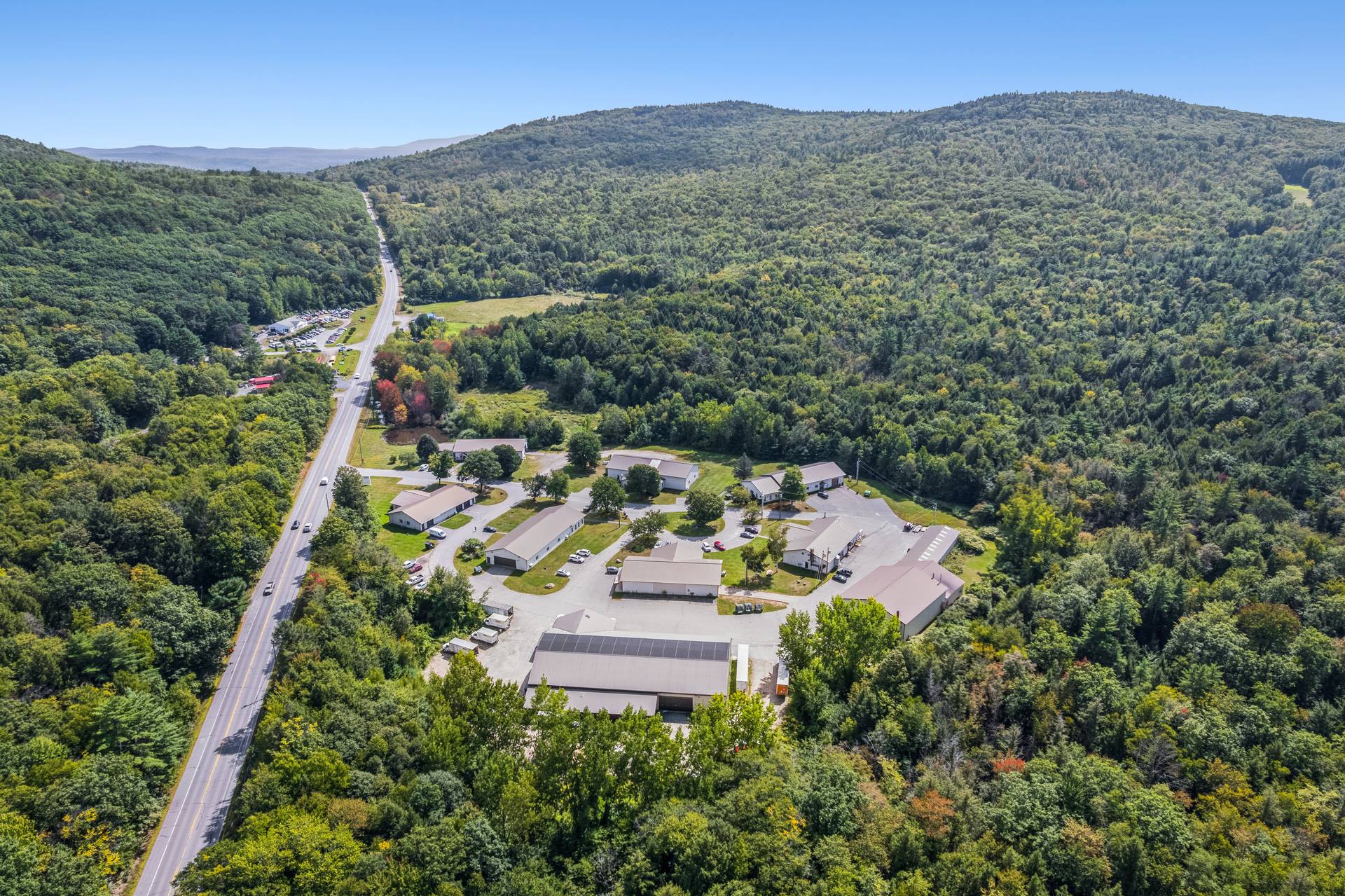
Greater Boston has lost 10.9M SF of industrial to conversion since 2011 — and town-by-town zoning ensures little of it comes back. Demand is structural: the $76.6B Electric Boat award and CHIPS-funded defense expansions across the region run on hundreds of subcontractors who work out of small bays. Patriot already owns small-bay assets in these markets — Fund VI scales on the economies of scale and the facility- and remote-management platform we already have in place here.
Not a Rendering. Finished Buildings.
Fund VI is acquiring both parks — not at permitting, not shovel-ready, not early development. One is 100% leased; the other is well on its way. We buy at below replacement cost and take the rest of the lease-up — and we know how to run one.
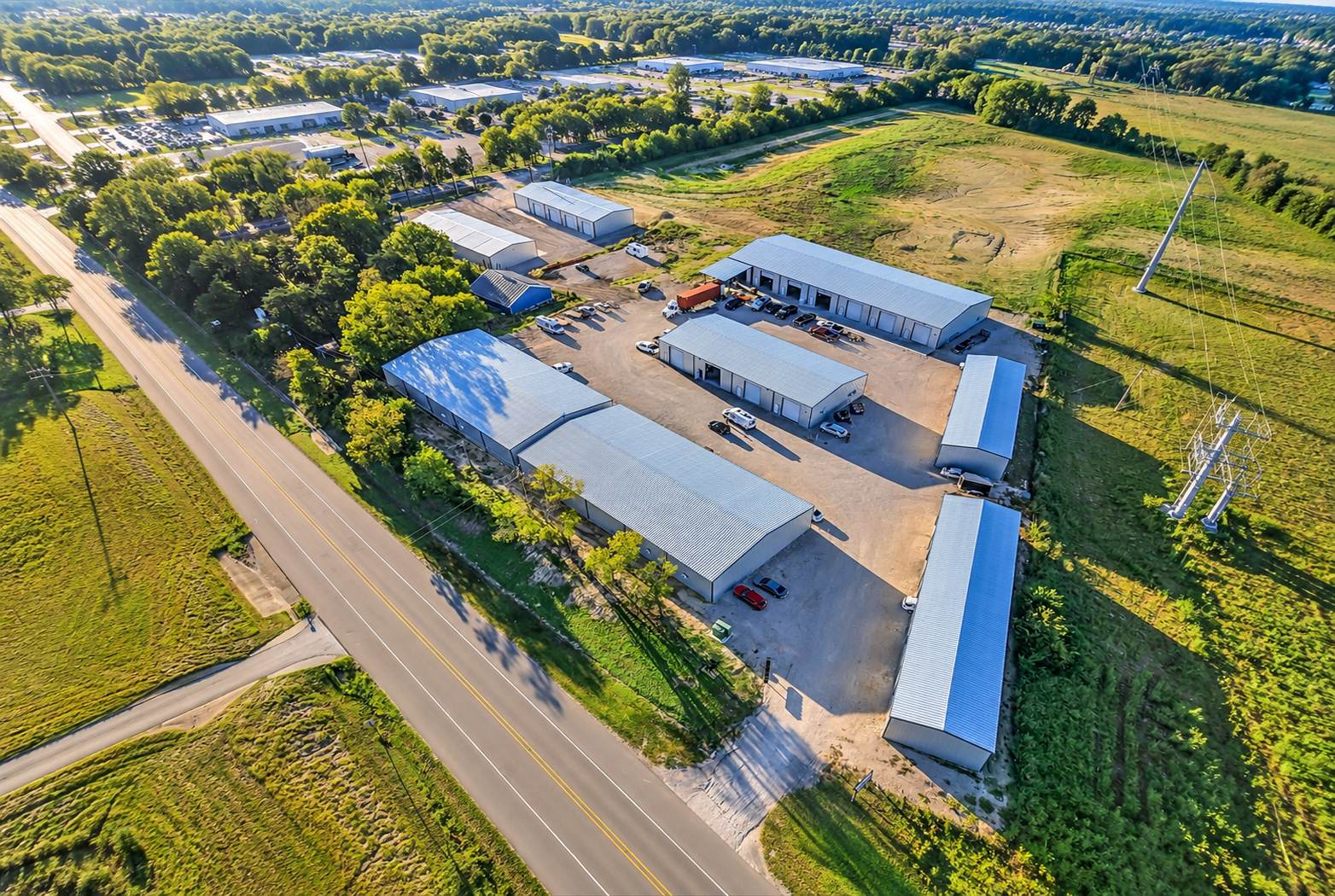
Full. Every Door Signed.
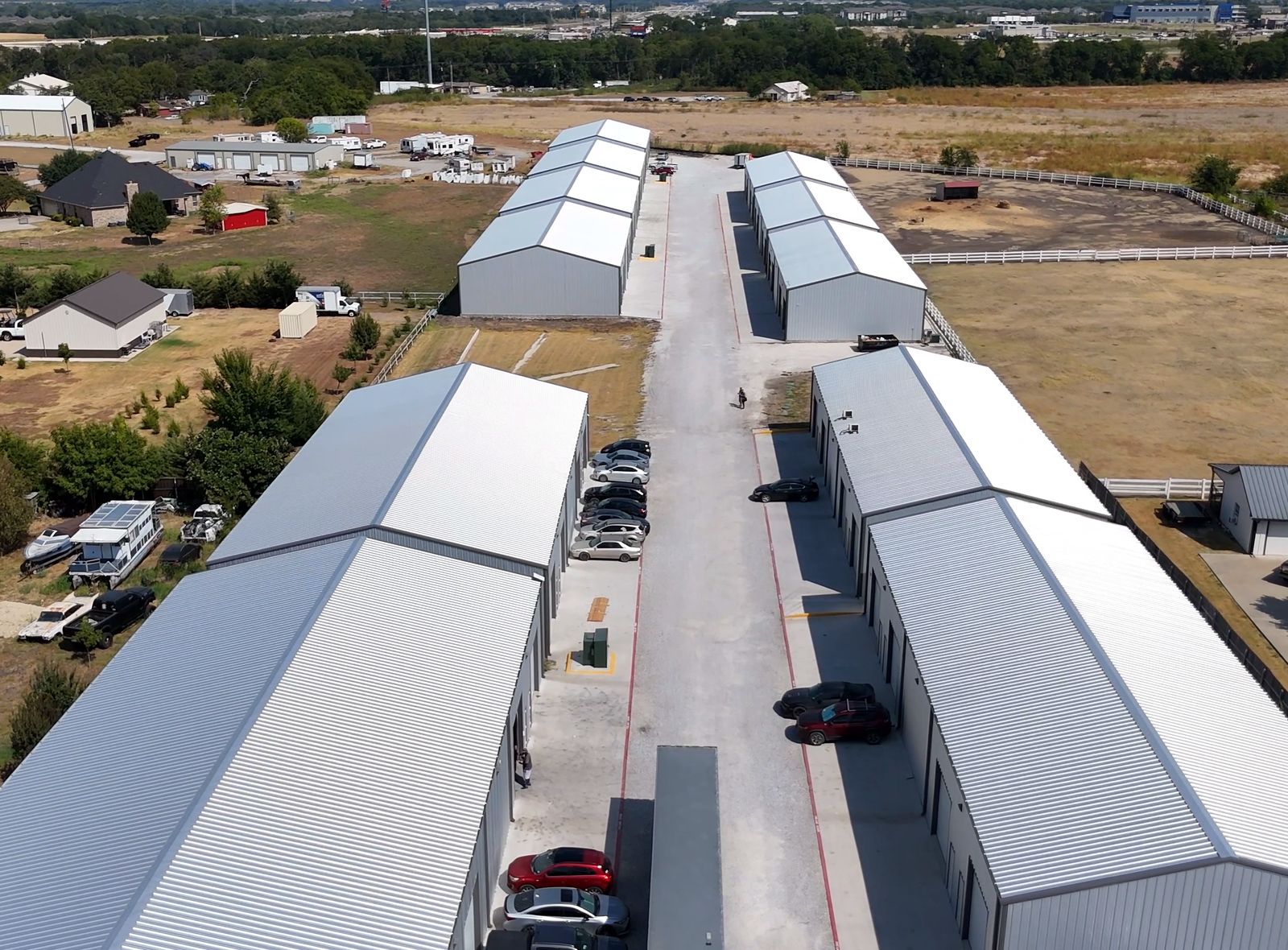
Same Product. Same Corridor. Same Playbook.
Five Levers.
Every Park.
Buying below replacement cost is often the easy part. Leasing and running small-bay is where most owners fail — so we took the storage playbook and translated it. Buy it right. Fix what the tenant sees. Fill it with best-in-class digital marketing. Reprice it. Let it season. Run it on one platform.
Capital
The aisle is gravel — we pave it, stripe it, light it, put cameras on it, and put the sign up. The tenant gets a better park. The asset gets a better appraisal. That's what earns the next rent increase.
Lease-Up
Melissa has ~37,000 feet empty — the same product that filled Anna in two years. In-house digital marketing feeds a centralized call center; keyless access and self-guided tours show the space; united pricing and dynamic revenue management set the rent. Every door we fill is new income on a building we've already paid for.
Mark to Market
Anna's in-place rents average under $12 a foot. The last lease signed at $16. Most leases roll within two years — and the newest tenant already told us what the market pays. We don't have to guess.
Maturation
Short 1–3 year leases mean rents reset to market constantly — we're never locked into a stale rate — and every lease carries a ~3% annual bump in between. Turnover is cheap and fast: sweep, paint, welcome the next tenant. Little to no TI, little to no leasing commission. As tenants grow, they buy more: a mezzanine, more power, the bay next door. Year three, it's seasoned — the income is real and the value is provable.
Scale
One paving contract instead of thirteen. One insurance program. One software stack. One team on the phones for every park — under one brand, United Flex Parks. Every park we add costs less to run than the one before it.
Model Your Fund VI Investment
Enter a commitment amount. Your share class — and its preferred return and waterfall split — is set automatically by commitment size, straight from the Fund VI model. Larger commitments earn better terms.
Your Commitment
8.0% preferred → return of capital → 70/30 LP/GP split to a 15% LP IRR, then 50/50. No GP catch-up. No GP clawback.
Returning Patriot investors automatically advance one tier on a new commitment. Minimum investment $100,000. Projections are drawn from the Fund VI base-case model (seven-year hold, September 2026 to August 2033, sale in year 7); distributions are paid quarterly as available and include projected return of capital and exit proceeds. Pre-tax, targeted, not guaranteed.
Targeted Outcome — Class A-4
| Year | Cash-on-Cash | Distribution | Cumulative |
|---|
Modeled cash timing: lease-up years run thin while NOI is built — unpaid preferred return accrues (non-compounding) and is caught up ahead of any profit split. Year 7 reflects the targeted sale of the portfolio. Cash-on-cash in years 1 and 2 is annualized on average equity outstanding, as capital is called over about 24 months; the dollar amounts are the distributions themselves. Source: Patriot Fund VI model, October 2026.
Your Biggest Expense Is Taxes
Fund VI targets roughly 1:1 paper losses per equity dollar invested for 2026 through cost segregation and accelerated depreciation — passed 100% to investors, with K-1s targeted by April 1.
Your Inputs
We anticipate roughly 1:1 targeted losses per equity dollar invested for 2026, depending on timing of investment and assets placed in service. An investor's ability to use losses depends on individual circumstances — real estate professional status or passive income generally required to offset; targeted losses are not guaranteed. Final depreciation schedules are subject to completed cost-segregation studies. Patriot does not provide tax advice — consult your CPA.
Targeted 2026 Tax Impact
A $1,000,000 commitment targets $1,000,000 of 2026 K-1 paper losses.
Potential savings = targeted losses × your federal bracket. State treatment varies. Depreciation reduces basis and is generally recaptured at sale; the benefit shown is a timing benefit — dollars working for you now instead of later.
Small-Bay Case Studies
From the Current Portfolio
These aren't hypotheticals. They're dated rent rolls and property financials from small-bay assets Patriot runs today — the same playbook Fund VI deploys.
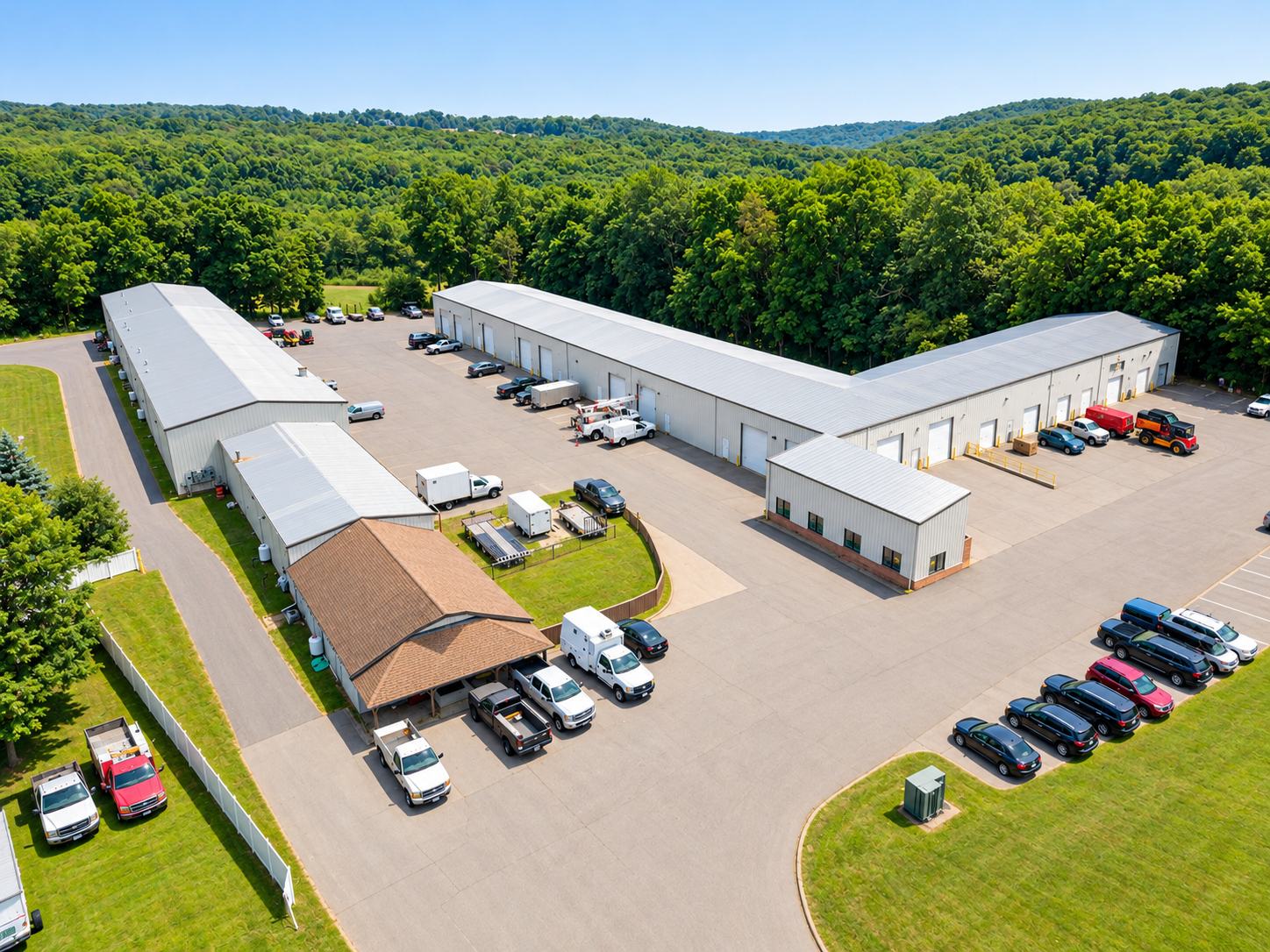
Turning an Empty Building Into Steady Income
North Franklin, CT — 16 units went from 25% to 93.75% leased; monthly rent grew 5.1x; NOI up 68.5%.
+68.5% NOI · 25% → 94% occupancy · 5.1x monthly rent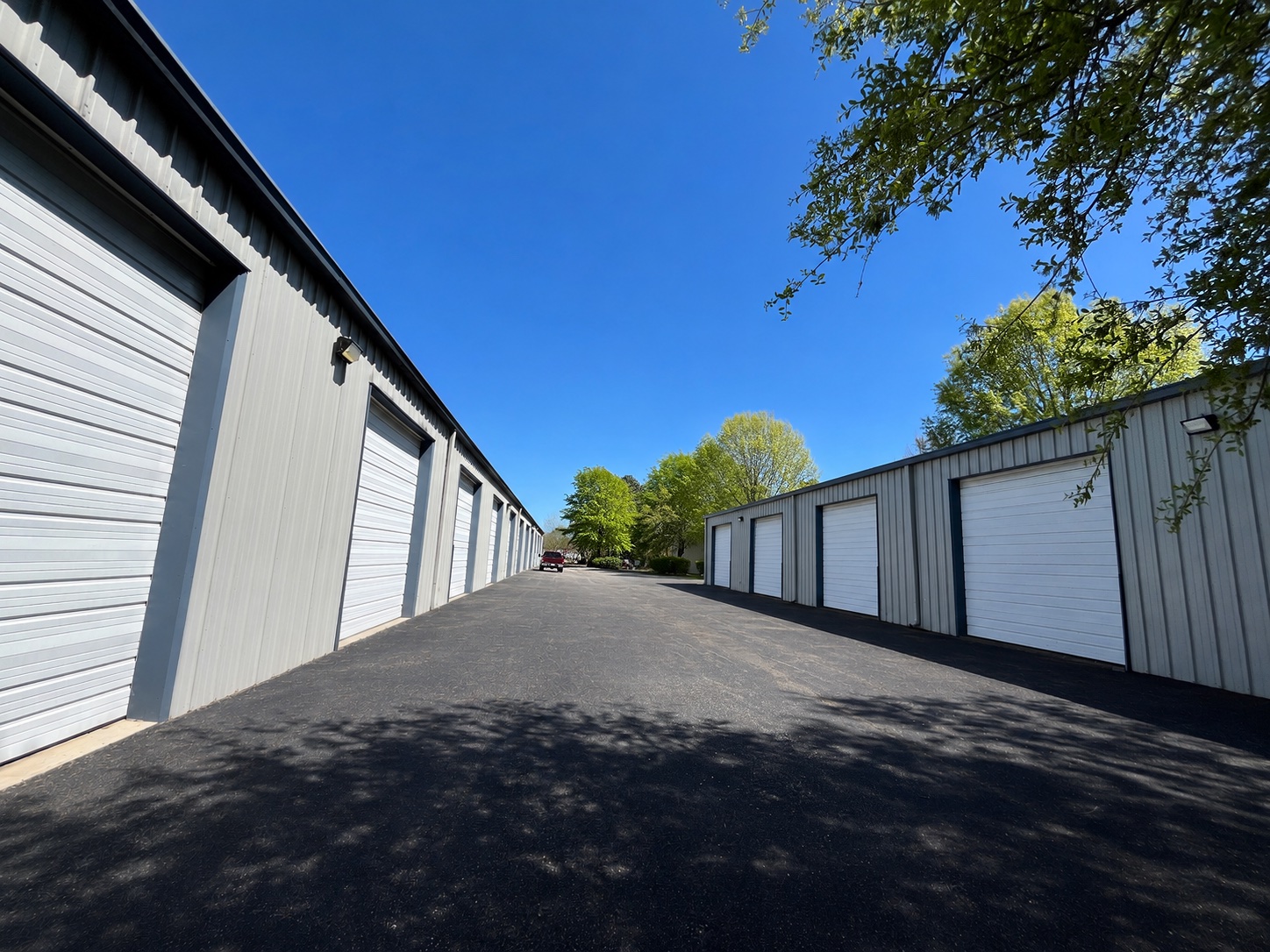
We Bought It 100% Full. Then We Let It Get Emptier.
Toano, VA — priced 27 identical bays to market, kept 25 of 27 tenants, and grew monthly NOI ~50% with no new capital.
+51% scheduled rent · $357 → $660 per bay · ~50% NOI growth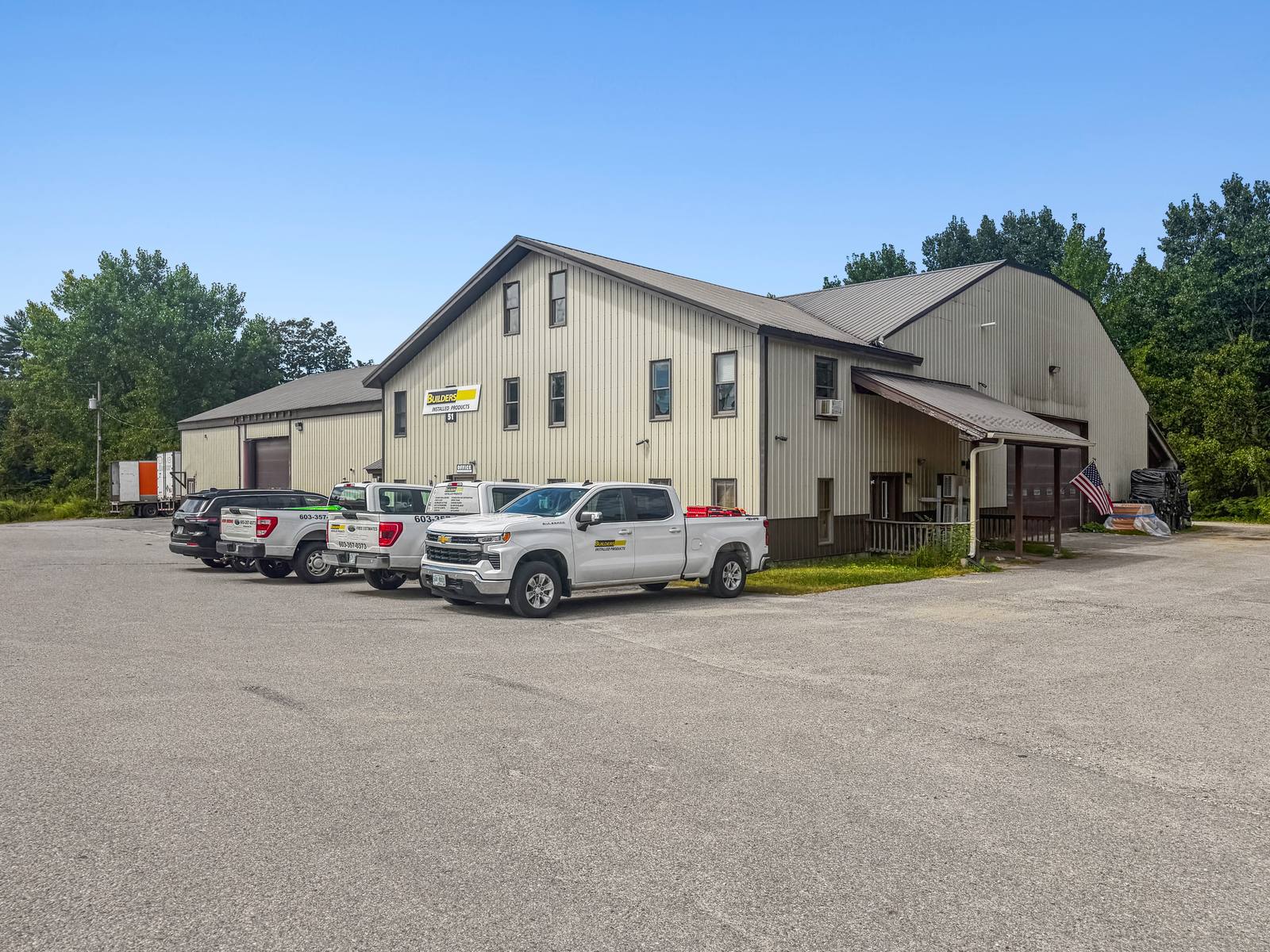
Nine Buildings, One Move at a Time
Westmoreland, NH — kept every anchor tenant five years running, filled three spaces, and moved NOI margin from 55% to 65%.
+50.5% NOI · +56.7% monthly rent · 20,000 SF expansion approvedBetter Terms as You Commit More
A preferred return ladder from 8% to 10% by commitment size, an American deal-by-deal waterfall, and a structure with no GP catch-up and no GP clawback. The GP commits 1–5% of the Fund alongside LPs.
| Share Class | Commitment | Preferred Return | Split to 15% LP IRR | Above 15% LP IRR |
|---|---|---|---|---|
| Class A-4 | $100K – $500K | 8.0% | 70 / 30 | 50 / 50 |
| Class A-3 | $500K – $2M | 8.5% | 75 / 25 | 55 / 45 |
| Class A-2 | $2M – $5M | 9.0% | 80 / 20 | 60 / 40 |
| Class A-1 | $5M – $10M | 9.5% | 80 / 20 | 65 / 35 |
| Class I (Institutional) | $10M+ | 10.0% | 85 / 15 | 70 / 30 |
is absolute
At or below replacement cost, with going-in yields accretive to debt. Upside is underwritten from in-place comps — we secret-shop competing spaces in 3-, 5-, and 10-mile radii and ghost-market to verify demand before we buy — never from speculative rent growth.
It Isn't Glamorous.
That's the Edge.
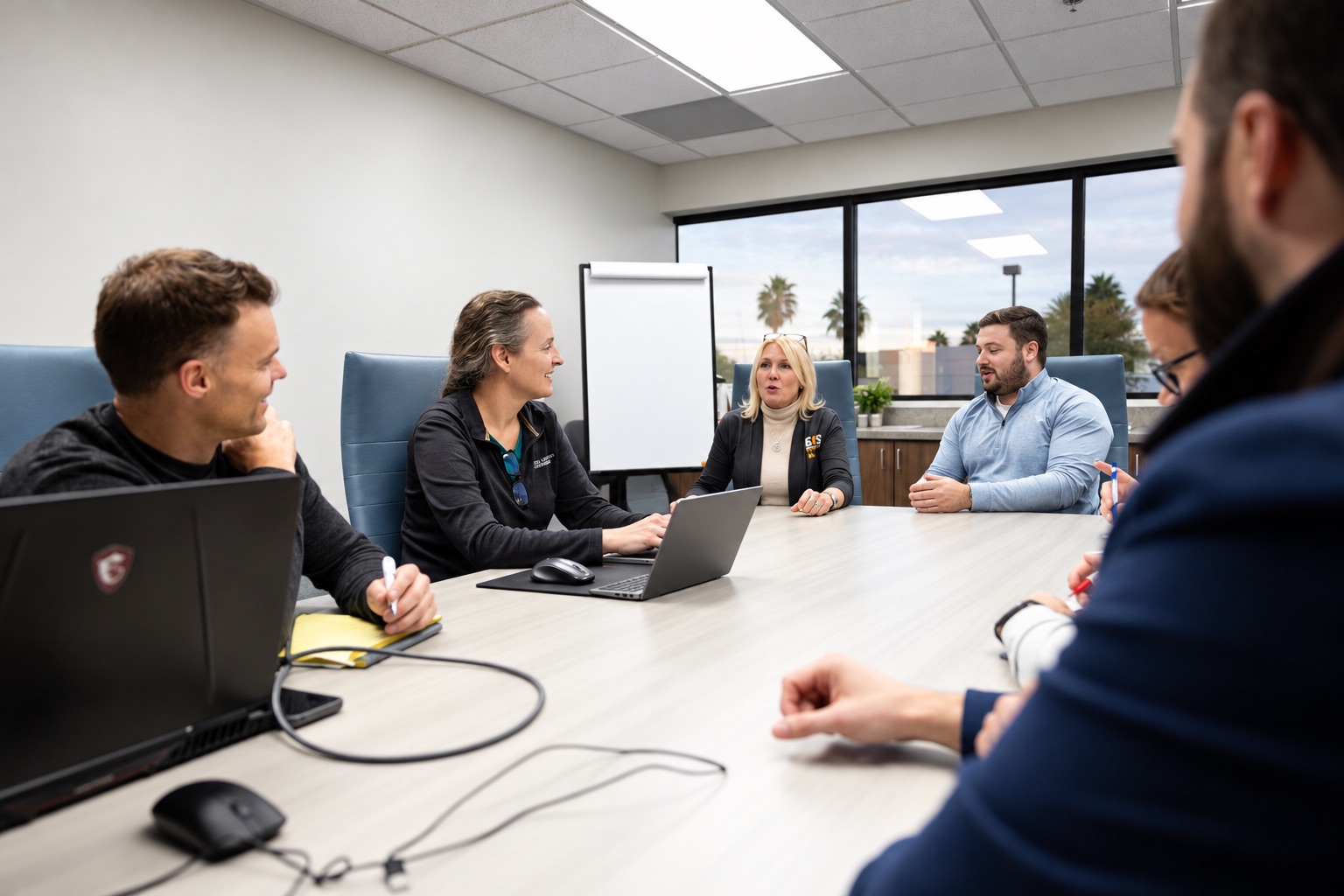
"My job is to take a complicated business and make it simple enough that anyone can make a smart decision. Small-bay is management intensive. It's a single or a double, and it takes a real operation to scale. That's why most people won't do it well — and that's the opportunity, that's the moat, and that's our edge."
Founder & CEO, Patriot Holdings · Building since 2007 · 35+ full-cycle deals
Talk to the TeamFund VI, Answered Plainly
Who can invest, and what's the minimum?+
What returns does the Fund target?+
How does the 2026 depreciation benefit work?+
When do distributions start?+
How long is my capital committed?+
How is the GP aligned with me?+
What is small-bay flex industrial?+
Who manages Patriot Flex Fund (Fund VI)?+
What exactly does the Fund buy?+
Why invest before first close?+
How do I invest?+
The Data Room Is Open. Secure Your Allocation.
Twenty minutes with our team — the model, the underwriting, the assumptions, why small-bay looks a lot like storage fifteen years ago, and why now. A bespoke conversation built around your goals, your thesis, and your needs. Or request the data room and go through it on your own schedule.