Turning an Empty Building Into Steady Income
Where It Started
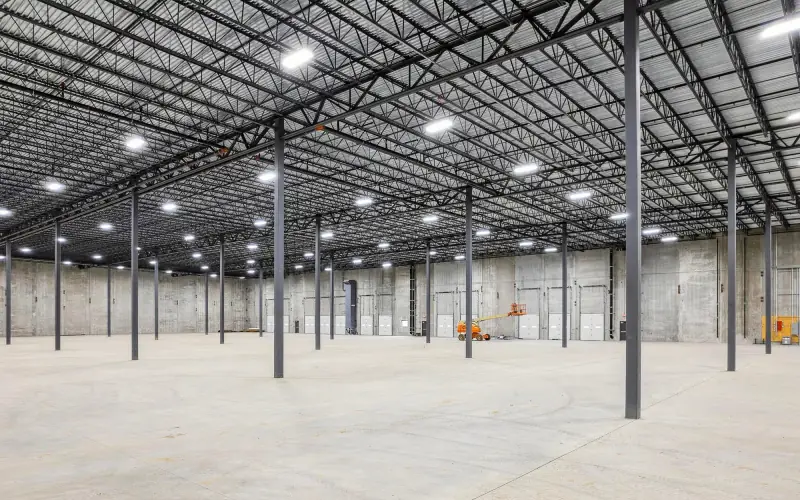
In January 2022, most of North Franklin sat empty. Three quarters of the units had no tenant, debris was piled around the site, and the outdoor areas were disorganized enough to hurt both how the property showed and how tenants could use it.
Filling suites alone would not have fixed that. The building needed to be cleaned up and made presentable, the idle land needed a purpose, and the whole thing needed to be run like a professional leasing operation rather than a half-occupied warehouse.
What Patriot Did
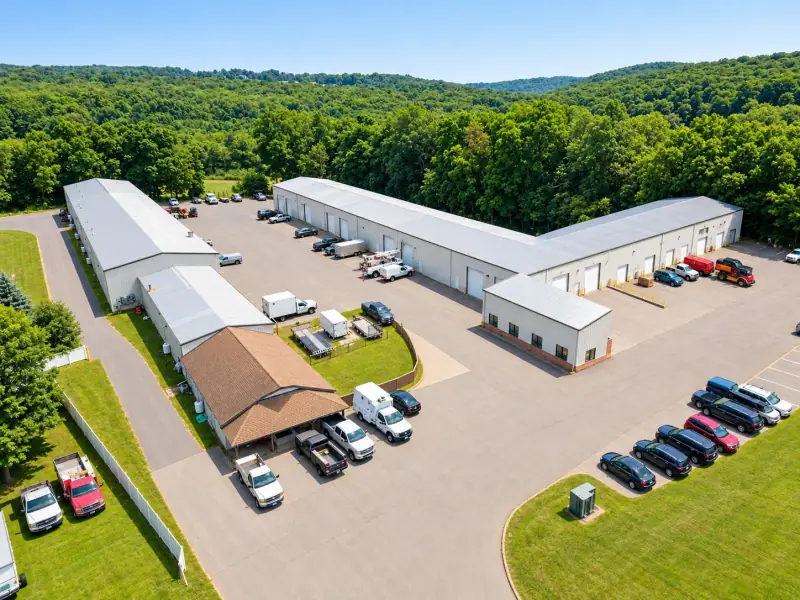
Cleared the site and built parking. Patriot hauled out the debris, then cleared, graded, and paved a section of unused land into organized tenant parking. Land that earned nothing became something tenants use every day — and pay for.
Invested in the largest spaces. Patriot built out and upgraded the suites held by its three biggest tenants, shaping each around what that tenant actually needed. The capital went where it protected the largest share of the rent roll.
Made it a professional property. New signage. Security cameras. Every prospective tenant credit-screened before a lease was signed.
Leased steadily, one suite at a time. With the platform in place, Patriot worked through the vacancy unit by unit over four years rather than waiting on a single large tenant to absorb the building.
What It Produced
| Measure | Starting Point | Latest | Change |
|---|---|---|---|
| Units leased | 4 of 16 · 25.0%Jan 2022 | 15 of 16 · 93.75%Aug 2026 | +11 units |
| SF leased | 11,000 SF · ~29.5% | 35,754 SF · ~96.0% | +24,754 SF |
| Monthly rent, occupied units | $6,700Jan 2022 | $33,900Aug 2026 | +$27,200 · 5.1x |
| Annual income | $248,000FY2023 | $383,000FY2025 | +54.3% |
| Annual NOI | $186,000FY2023 | $313,000FY2025 | +68.5% |
Drawn from dated rent rolls and property financial statements. Dollar figures rounded; percentages calculated from unrounded amounts. Paid tenant parking adds a further stream of recurring income on top of base rent.
Why It Worked
The 16-unit layout was the asset's biggest advantage. A single-tenant building is binary — leased or not. A fragmented one can be filled progressively, so occupancy and income climb through the hold rather than waiting on one signature.
The levers also compounded. Cleanup made the property leasable. Parking made it more useful and added income the rent roll could not produce on its own. Buildouts anchored the tenants who mattered most. Signage, cameras, and screening made it the kind of property tenants take seriously and stay in. Each one would have helped alone; run together under one plan, they moved occupancy and earnings at the same time.
DISCLOSURE. This case study is provided for informational and investor-education purposes only and does not constitute an offer to sell, or a solicitation of an offer to buy, any security or fund interest. It presents historical, property-level information drawn from dated rent rolls, property financial statements, and third-party appraisal or offering materials. Dollar figures are rounded and should be read as of the stated dates; percentage changes are calculated from unrounded source amounts. Historical results and property-specific outcomes are not guarantees of future performance. Nothing herein constitutes investment, legal, or tax advice.
Property-specific source note: Gross building area is reported as 38,516 SF in the appraisal, while operating rent rolls total approximately 37,254 SF; occupancy percentages use the rent-roll denominator. The January 2022 rent roll is the operating baseline used.